
Quartz (carbonate) vein type and altered rock type ores are the most important ore types in hy-drothermal gold deposits,and the quartz vein type ores are widely studied. However,altered rock type ores are much less well studied due to the complexity of mineral compositions and unavailability for fluid inclusion and geochemical analysis. Compared with quartz veins,altered rock ores generally has a lower grade but larger reserve,which is of great significance for gold exploration. Altered rock ores,closely associated with fluid-rock interactions,represent a typical mineralization style in hydrothermal gold deposits. In the Huangjindong gold deposit of the Jiangnan orogenic belt,South China,altered slate ores are mostly developed in the bleaching alteration zone.Previous research demonstrates that the alteration associated with mineralization mainly include sericitization,silicification,carbonatization and sulfidation,but the gold precipitation mechanism of altered slate ores remains indistinct. Based on field work, and petrographic observations,altered rock type ores in the Huangjindong gold deposit commonly occur in the bleaching alteration zone with a remarkable color transformation from greenish grey to yellow-pale grey.The bleaching alteration zone generally distribute symmetrically along carbonate-quartz veins and mainly characterized by the occurrence of siderite spots,as well as sericites and cryptocrystalline quartzes. Abundant gold-bearing sulfide in altered slates aggregate near carbonate spots,sharing similar geochemical compositions with those in quartz veins viaElectron Probe Microanalysis (EPMA).These sulfides locally crosscut siderite grains,as well as the cementing of partially dissolved siderite grains by quartz,demonstrating that the fading alteration took place before gold mineralization and likely generated by the reaction of CO2-rich fluids with host rocks. Tescan Integrated Mineral Analyzer (TIMA) analysis shows that two alteration zones have been observed in the altered slate,from the proximal to the distal side of the carbonate-quartz vein are silicification and sericitization,respectively. Micro area X-ray Fluorescence Surface Scan (μ-XRF) elemental mapping on carbonate-quartz vein and adjacent alteration zone suggest that most elements have obvious zoning. Mg,Fe and Mn are aggregated into spots in the alteration zones because of the appearance of siderite. Si is abundant in silicification zone,K and Al contents are high in sericitization zone. These results show that large amounts of siderite spots are generated during the pre-mineralization fluid-rock reaction,and thus provide favorable chemical traps for gold mineralization. The chemical reaction between gold-bearing fluid and siderite spot occurs during the ore-forming period,and contributes to gold mineralization by triggering sulfidation,which is the major genesis for the altered slate ores in the Huangjindong gold deposit.

The current reserves of the Chaihulanzi gold deposit can not meet the needs of continuous production of the gold mine,and further deep-edge prospecting should be carried out. Based on the theory of genetic mineralogy,the typomorphic characteristics of pyrite chemical composition in the the mining area were studied by mineral geochemistry method.The results are as follows:(1)The ratio of Co/Ni and the As-Co-Ni triangle diagram of pyrite show that the genesis of pyrite in Chaihulanzi gold deposit is complex,which is restricted by the strata of Jianping Group,regional metamorphism and magmatic hydrothermal activity;(2)The ratio of Au/Ag,S/Se and other characteristic values of pyrite show the characteristics of magmatic hydrothermal solution and the formation of ore-forming fluid is mainly related to the magmatic activity in this area;(3)Pyrite is rich in As,which indicates that gold in pyrite crystal exists as nano-particle gold,which indicates that ore-forming fluid has strong migration and the nano-particle gold has strong adsorption in rocks rich in carbon and clay.According to the composition characteristics of pyrite,combined with regional geology,mining area geology and the characteristics of the alteration zone,it is concluded that the Chaihulanzi gold deposit is mainly related to the intrusion of basic dikes. The basic vein not only brings some ore sources,but also the magmatic hydrothermal fluid brings gold in Jianping Group to further activate and enter into the ore-forming fluid. At the joint of NNE trending compression structural belt and NWW tensile fracture structural zone,the ore-forming fluid and surrounding rock are widely metasomated to form a gold deposit with altered rock type as the main part.There are good prospecting prospects in the deep metamorphic strata of Jianping Group in the southeast of the mining area,especially in the structural development part of the sericite graphite-bearing plagioclase gneisses.

Shitouding ore section of Caojiawa gold deposit is located at the footwall of Zhaoping fault belt in the northwestern Jiaodong gold concentration area.Field exploration and drilling found that this section has strong pyritic sericite alteration,which is the main symbol of ore-forming surrounding rocks in this area.It has good metallogenic prospects,but no breakthrough has been made in prospecting work.After carrying out 1∶10 000 soil geochemical survey,we used correlation analysis and R-type cluster analysis and other methods to study the distribution characteristics of element anomalies in the working area from the perspective of geostatistics.With previous geological data and current exploration situation,the anomalies were delineated and four target areas of H1~H4 were divided,all of which had good metallogenic prospects.Regarding the geochemical prediction and geophysical results,it is found that the variation coefficient of gold in H4 and H2 target areas was 0.976,and the average anomaly value was 4.9×10⁻⁹~5.3×10⁻⁹,which was consistent with the geophysical results.It is speculated that the anomaly is caused by ore.

Rare earth is a strategic and key metal mineral resource that promotes high-quality development of national economy and global economic restructuring. The Belt and Road Initiative provides major opportunities for rare earth trade among countries. Based on the trade data of rare earth related products along the Belt and Road from 2013 to 2019 in UN Comtrade, the network structure characteristics and evolution process of rare earth trade along the Belt and Road were explored from individual and overall levels by using complex network analysis method. At the individual level, the position and evolution trend of countries along the route in the rare earth trade network were explored based on the degree centrality, intermediate centrality, proximity centrality and point intensity of network nodes. At the overall level, the characteristics of network density, small-world network, and community structure were analyzed to explore the overall characteristics and evolution rules of network. The results show that: (1)From 2013 to 2019, the Rare earth trade network of the Belt and Road presents the characteristics of a “small world”, but the network density is low and the accessibility of the overall network structure is weak. (2)As an important participant in the Belt and Road rare earth trade, China has always played a core role in the trade network and has absolute influence and control over rare earth trade. (3)Due to industrial proximity, trade and transportation costs, cultural differences, countries with similar geographical locations have closer rare earth trade links.(4)The trade of rare earth terminal application products is the main aspect that affects the development of rare earth trade in the Belt and Road. Therefore, the research believes that the following measures can provide a basis for China’s rare earth trade strategy and policy formulation and the optimization of rare earth trade pattern. Firstly, strengthen infrastructure construction and reduce the impact of geographical location on the Belt and Road rare earth trade cooperation.Secondly, strengthen rare earth trade links among core countries in various regions to further consolidate China’s core position in the Belt and Road rare earth trade network.Thirdly, reduce rare earth trade barriers, improve the smooth flow of rare earth trade activities and the development of trade networks along the Belt and Road.Finally, expand rare earth trade cooperation partners and promote the diversification of rare earth trade market targets along the Belt and Road.

Accurate classification and identification of acoustic emission sources is an important basis for the study of acoustic emission ground pressure monitoring, forecasting and early warning.Aiming at the clas-sification and identification of acoustic emission event signals and mining operation noise signals of surrounding rock masses in underground mines, an intelligent recognition and classification method based on improved complete ensemble empirical mode decomposition and deep convolutional neural network(DCNN)was proposed.Firstly,the signal was decomposed by CEEMDAN, the decomposed IMF components were screened, and the components greater than the permutation entropy threshold or less than the correlation coefficient threshold were removed, and the residual IMF components were reconstructed to obtain the denoised waveform.Then, the DCNN method was used to automatically extract high-dimensional features from the denoised waveform.Finally, the features were used for classification and recognition of softmax classifier to realize intelligent multi-classification of underground signal sources.The results of this research show that:(1)Aiming at the difficulty of multi-classification of waveforms received by acoustic emission monitoring equipment,a waveform classification and recognition method based on improved CEEMDAN-DCNN is proposed.Combined with the advantages of improved CEEMDAN’s advantages of adaptive analysis,pro-cessing of nonlinear and non-stationary signals and the ability of DCNN to automatically extract high-dimensional features, the intelligent multi-classification of underground signal sources is realized.(2)In order to verify the advantages of the improved CEEMDAN algorithm, the simulation signal is constructed to simulate the acoustic emission signal of surrounding rock mass containing noise signal, and the background noise component and pseudo component are eliminated by a joint threshold.The results show that the improved CEEMDAN algorithm can eliminate noise signals and some false components, and retain the essential characteristics of the signal.(3)Through the test, the accuracy of waveform classification based on the improved CEEMDAN-DCNN method in this paper reaches 97.12%. Compared with the traditional SVM, ANN, and CNN methods, the accuracy of waveform classification is higher and the stability is better. The accuracy of DCNN classification and recognition is improved dueing to the signal preprocessed by improved CEEMDAN.(4)The waveform recognition and classification method in this paper can accurately identify the acoustic emission events of surrounding rock masses and non-surrounding rock masses, provide reliable basic research data for ground pressure monitoring and early warning models, and increase the accuracy of ground pressure monitoring and safety early warning and forecasting.

In order to study the influence of impact velocity and heat treatment temperature on the dynamic mechanical properties of biotite granite,the improved Hopkinson Pressure Bar system was used to conduct impact compression tests on the heat-treated granite at 25~800 ℃ under three impact velocities.The experiment results show that with the impact velocity increasing,the stress-strain curves of the heat-treated samples at 25~700 ℃ change from “type Ⅱ” to “type Ⅰ”.But the heat-treated samples at 800 ℃ all show the “type Ⅰ” stress-strain curve.The peak stress,average strain and peak strain of the sample at the same temperature increase with the impact velocity increasing,showing obvious loading rate effect.The elastic modulus does not change much with the impact velocity,and the loading rate effect is not obvious.Under the same impact velocity,the dynamic properties of the heat-treated samples at 300 ℃ are improved.After 500 ℃,the dynamic properties of the samples begin to gradually deteriorate,and the heat-treated samples at 800 ℃ have the weakest dynamic properties.The relationship between peak stress,average strain rate,peak strain and elastic modulus and heat treatment temperature can be expressed by single exponential function.Under the same treatment temperature,the damage degree of granite increases with the increase of impact velocity.Under the same impact velocity,the fragmentation degree of the heat-treated sample at 300 ℃ is the smallest,and the heat-treated sample at 800 ℃ is the most serious.From the field emission scanning electron microscope image,it can be seen that the fundamental reason for the change of rock macro mechanical properties is that the temperature changes the microstructure inside the rock.

In order to study the characteristics of yellow sandstone under uniaxial fatigue loading and fully understand the deformation and failure mechanism of rock under cyclic loading,uniaxial fatigue load tests under different stress upper limits and loading rates were carried out to systematically analyze the fatigue characteristics of yellow sandstone under cyclic loading from three aspects of deformation,energy evolution and damage characteristics.The yellow sandstone used in the test was collected from Dongchuan District,Kunming City,Yunnan Province,and the uniaxial compressive strength is 50.2 MPa.In different stress upper limit fatigue tests,the stress upper limit of cyclic loading is set as 80%,85%,90% and 95% of uniaxial strength,and the lower limit is fixed as 50%.And four loading rates were set as 600 N/s,700 N/s,800 N/s and 900 N/s for fatigue tests with different loading rates.The test results show that the curves of loading and unloading stage do not coincide,and the fatigue process curve presents a form characteristic of “sparse-intensive-sparse”.The curves show that the fatigue deformation failure of yellow sandstone is controlled by uniaxial compression stress-strain curve,and the ultimate deformation is consistent with the corresponding post-peak deformation.The irreversible deformation development curve of sandstone has three stages:Initial deformation stage,stable deformation stage and accelerated deformation stage.This feature is consistent with the evolution trend of dissipation energy density in fatigue process.The dissipated energy is high in the first few cycles,and then decreases rapidly and tends to be stable.And the dissipated energy increases significantly when the specimen is near failure.Moreover,residual deformation is used to define the damage degree of yellow sandstone,and the inverted “S” model is used to describe the damage evolution process.The results show that the parameter fitting effect of all specimens is more than 95%,indicating that it is reasonable to describe the fatigue damage process of yellow sandstone by inverted “S” model.Finally,the results show that the fatigue life of yellow sandstone decreases with the increase of stress upper limit and increases with the increase of loading rate.The biggest influence on the fatigue life of rock is in the stable deformation stage.The fatigue life of yellow sandstone under certain conditions can be predicted by the stress-life fitting formula,and the results provide reference for judging rock instability failure.

Concrete is an important building material in roadway support,but there are often quality problems in roadway construction,such as honeycomb surface,cracks,holes and large area damage,which need to be repaired in order not to affect the normal production.Geopolymer concrete has the characteristics of fast setting time,high early strength,strong interface bonding ability,low permeability,high temperature resistance,frost resistance,corrosion resistance,excellent durability and low energy consumption,low pollution and low cost in the preparation process,and has the potential to be used as concrete repair materials.At present,there is no consensus on the proportion design of geopolymer concrete.The fly ash and slag were activated using sodium silicate and sodium hydroxide as alkalin-activator solution for the preparation of geopolymer mortar.The effects of different alkali-activator modulus (1.0,1.2,1.4) and content (10%,15%,20%) on the mechanical properties of mortar at different ages (3 d,7 d,28 d) were studied.The results show that the modulus and content of alkali-activator have a significant effect on the mechanical properties of geopolymers.Too large or too small alkali-activator modulus and content are not conducive to the strength development of geopolymer mortar.When the ratio of fly ash to slag is 1∶1,the modulus of water glass is 1.2,the content of alkali is 15%,the flexural and compressive strength of geopolymer mortar reaches the best value.The 28 d flexural strength is 7.6 MPa,the 28 d compressive strength is 72.3 MPa.In order to further explore the mechanical properties of geopolymer concrete with different mix ratios,the orthogonal experiment with three factors and three levels was designed to study the effects of different water-binder ratio (0.45,0.50,0.55),fly ash content (30%,50%,70%) and sand ratio (30%,35%,40%) on the workability and mechanical properties of geopolymer concrete at different ages (7 d,28 d).Taking the compressive strength as the evaluation index,the results show that fly ash content has the most significant effect on compressive strength,followed by water-binder ratio,and sand ratio has almost no effect on strength development.The results of variance analysis of 7 d and 28 d show that the content of fly ash has a highly significant effect on the compressive strength of geopolymer concrete,the water-binder ratio has a significant effect on the compressive strength of geopolymer concrete,but the sand ratio has no significant effect on the compressive strength of geopolymer concrete.Considering the workability and mechanical properties of geopolymer concrete,combined with the results of microstructure analysis,geopolymer concrete with water-binder ratio of 0.50 and fly ash content of 50% is a promising rapid repair material.

Safety is an extremely important part of mine production. The cantilever structure of filling body is common form of potential safety hazard in drift stoping of Longshou mine. Collapse is easy to occur due to self weight and deep in-situ stress. Longshou mine is the only large underground mine in China that successfully adopts panel area mechanized downward hexagonal drift cemented filling mining method,its artificial false roof cantilever and filling cantilever surrounding rock often collapse by itself. At the same time,the deep filling body has large deformation,which brings great instability and hidden dangers to the safety production of the mining area. In order to effectively deal with and comprehensively evaluate the cantilever stability of backfill,based on the cantilever beam theory and combined with the experience of geotechnical dangerous rock mass,this paper established the mechanical models of artificial false roof cantilever and surrounding rock filling cantilever in Longshou mine,and studied the calculation methods of collapse and tension crack fall deformation and failure modes. Thus,the limit cantilever length and stability coefficient K of filling body were proposed. The limit length of cantilever was calculated theoretically,verified by numerical simulation and stability coefficient K. The results show that the stability of the filling cantilever is negatively correlated not only with the limit length of the cantilever,but also with the development of the overlying crack. Through the simulation,the tensile strength of the failure condition is basically the same between the theoretical limit length and the simulated length. It shows that the theoretical limit length is suitable for the actual geological conditions of Longshou mine. At the same time,the stability coefficient K can effectively count the cantilever state of the filling body under different crack conditions,and judge the crack depth ratio at the top of the cantilever of the filling body according to the actual state of the cantilever on site and in combination with the stability evaluation grade classification table. Therefore,the cantilever limit length and stability coefficient K can effectively evaluate the stability of the filling cantilever in Longshou mine. The practical application is simple,and the calculation results are basically consistent with the field investigation results. It can play a timely early warning effect for the danger caused by the excessive cantilever and the further development of cracks. It has guiding significance for the safety production of drift mining in Longshou mine.

The downword drift cemented filling method is an effective way for mining thick,broken,high-grade deposits in Jinchuan mining area.However,it not only has complicated process and high cost,but also requires high quality of filling body.In order to alleviate the pressure caused by insufficient rod milling sand production capacity and increase of produciton cost in Jinchuan mining area,and improve the comprehensive performance of filling body,the mechanical test of the filling body and the rheological properties,fluidity and bleeding rate test of the slurry were carried out,based on cement-sand ratio of 1∶4,using -5 mm rod mill sand,-12 mm waste rock as aggregate,the new consolidation powder as cementitious material.The influence of waste rock and rod milling sand ratio on the strength characteristics,fluidity,rheology and bleeding characteristics of filling body were studied,and the optimal ratio parameters were proposed. The results show that the 3 d strength of filling body decreases slightly,and the 7 d and 28 d strength increased slightly with the increase of the waste rock content.The yield stress of the slurry increase with the increase of waste rock content,and the viscosity coefficient decreases significantly.When the content of waste rock is less than 35%,the yield stress of slurry is less than 150 Pa.The slump and diffusivity degree decrease sharply with the increase of the waste rock content. The slump degree is generally between 27~29 cm,which can meet the requirements of gravity transportation.The bleeding rate of the slurry is 9%~12%.With the increase of waste rock content,the bleeding rate decreases,which is beneficial to improve the segregation resistance of the slurry.According to the test results,the optimal dosage of waste rock in the mixed coarse aggregate is 30%,and the optimal mass concentration is 82%~83%. Under the condition of these parameters,the indexes of filling body can meet the filling quality standard of Jinchuan mining area,which has great significance and application potential to improve the stability of filling body and reduce the cost of Jinchuan mining area.

Stope stability is a geological mechanics problem that cannot be ignored in mining,and its stability directly affects the safety of mine production and engineering decision-making.Therefore,scientific prediction of stope stability plays a crucial role in mining safety.The stability of stope is a typical nonlinear problem.Since BP neural network has the virtue of tackling complex nonlinear systems,it can be applied to stope stability prediction.Nevertheless,the existing prediction methods either only focus on optimizing the weights and thresholds of the neural network or only consider that the stability of the stope is under the influence of multiple factors and the influencing indexes have a strong correlation,but do not consider the two methods in an integrated manner.Hence,the prediction accuracy of stope stability based on neural network is low,which cannot provide valid support for mine management.Due to the highly nonlinear characteristics of the mining stability system,the traditional principal component analysis will lose a large amount of information.Therefore,we propose a stope stability prediction method using nonlinear principal component analysis combined with BP neural network optimized by the genetic algorithm,which effectively improves the prediction accuracy of stope stability.The nonlinear principal component analysis method performs nonlinear dimensionality reduction on the impact indicators of stope stability,replacing the original multiple indicators with a few principal components that retain the original information,simplifying the neural network structure,and improving the operational efficiency.GA aims to optimize the initial weights and thresholds of the BP neural network to overcome the defects of unstable initial weight thresholds and further improve the accuracy of quarry stability prediction.Taking the measured data of a mine as an example,the effectiveness of the proposed method is verified.The comparison results show that the average relative errors of NPCA-GA-BP and GA-BP models are 10.5% and 7.6% lower than those of BP models,respectively,indicating that the BP neural network is optimized by the genetic algorithm can significantly improve the prediction accuracy.The average relative error of the NPCA-GA-BP model is 2.9% lower than that of the GA-BP model,indicating that the dimension of variables is reduced and the prediction accuracy is increased through nonlinear principal component analysis.It can be concluded that the NPCA-GA-BP prediction method has a higher prediction accuracy of stope stability,and has certain guiding significance for realizing intelligent mine.

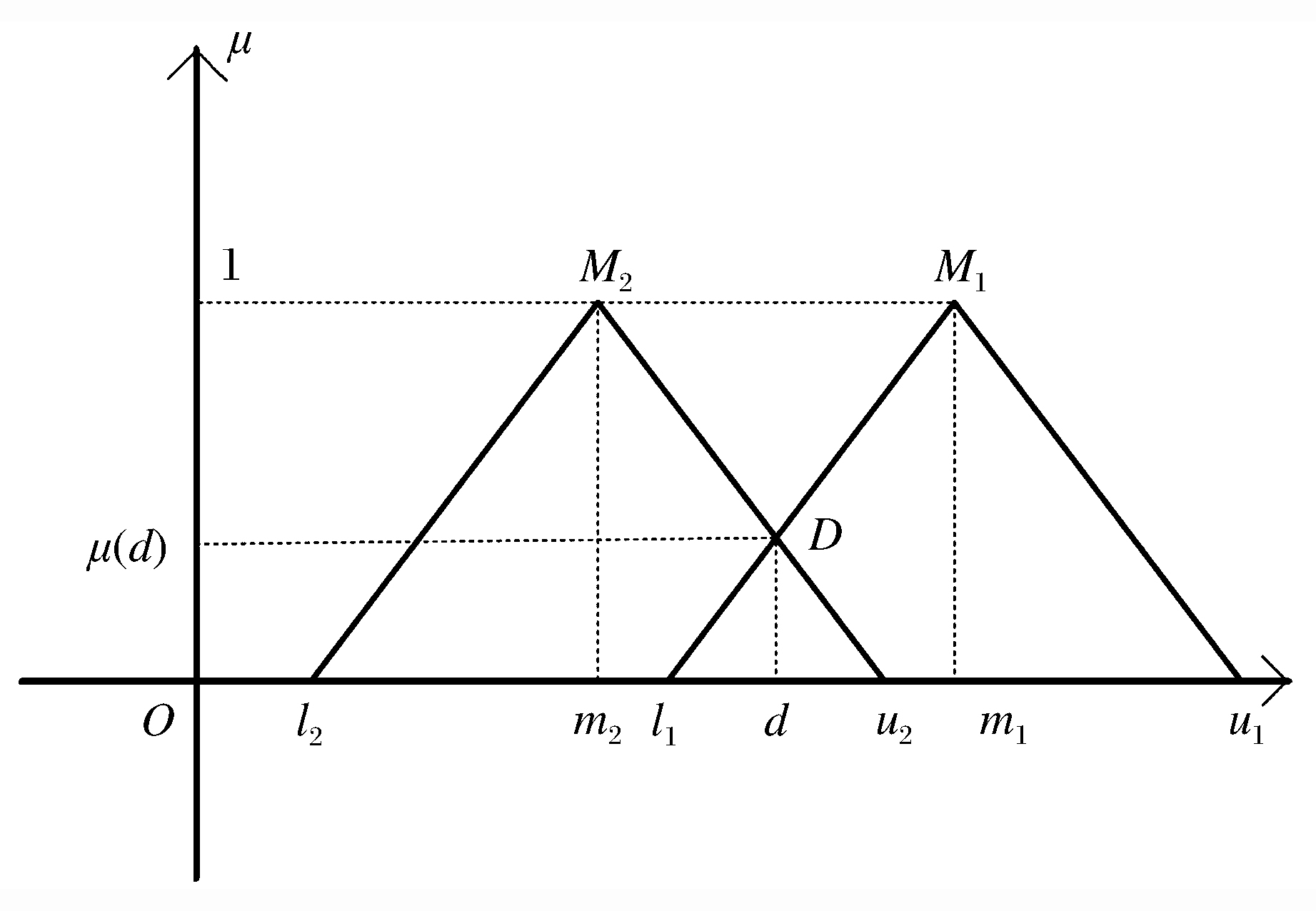
In the current optimization of mining methods, subjective components lead to more information loss, and the relative importance of evaluation indicators is unreasonable.This paper fully considered the results of the combination of comprehensive degree analysis method and fuzzy analytic hierarchy process-fuzzy extended analytic hierarchy process (FEAHP) and objective weight method CRITIC,used FEAHP to determine the subjective weight of each index in the optimization system of mining method.CRITIC algorithm was used to calculate the conflict between various indicators,so as to calculate the objective weight.Then,the principles of game theory was used to compromise the subjective and objective weights,and find their consistency to obtain a reasonable combination weight.Finally,combined with the real data of the alternatives,the distance between the four alternatives and the positive and negative ideal solutions is obtained by the distance measurement method in TOPSIS,and the relative patching progress of the four alternatives was calculated.The options of the upward approach cement filling method (Scheme 1), the shallow hole retention and subsequent filling method (Scheme 2), the upward horizontal layered filling method (Scheme 3) and the downward horizontal layered filling method (Scheme 4).The relative patching progress of the four alternatives are 0.4547,0.4441,0.5872,0.4072 respectively.It is concluded that the third scheme (upward horizontal stratified filling method) is the best,and the relative paste progress of 0.5872 also fully demonstrates that the upward horizontal stratified filling method has formed a strong contrast with the other three schemes,showing that the scheme meets the requirements of modern mining engineering for safety,low cost,and high profit,highlights its own advantages,and is consistent with mine examples and other experts’ research, indicating that the model is scientific and effective for mining optimization.
Activated Carbon (AC) is widely used as adsorbent in the process of gold extraction.In the cycle of gold leaching-adsorption-desorption,the AC needs to be activated regularly for reuse,which mainly depends on thermal regeneration,that is,the whole rotary kiln is heated and then AC are heated from outside to inside by heat conduction,where the pollutants are volatilized or decomposed,cleaning the carbon surface and dredging the pores.The thermal regeneration method still has the shortcomings of high energy consumption,large carbon loss and long operation time.The evaporation of pore water takes prolonged time and absorb extensive heat,restricting the improvement of efficiency and effect,which is difficult to be solved.Considering that AC is a good wave-absorbing material,it can be heated directly from the inside to the outside by microwave irradiation,which can greatly improve the energy efficiency.The technique of AC regeneration with 2.45 GHz microwave was studied by experiments where iodine value,specific energy and carbon loss were investigated.The results show that high temperature improves activation efficiency significantly and 650~750 ℃ is recommended;The moisture of AC was optimum at 30%,which might be related to dielectric variation;Execution times could only play a role at high temperature (≥700 ℃).Compared with thermal regeneration,the technique saved 30%~50% energy to achieve equal activation with a lower carbon loss.At 700 ℃ temperature,30% moisture,the regenerated carbon and fresh carbon have approximate iodine value.In the regenerated carbon processed by the technique is feasible to pickling operation that inorganic pollutants (e.g.calcium oxide) are cleaned up effectively.Moreover,BET and SEM detections also supporte the above results at a micro level,i.e.the specific surface area and total pore volume of the carbon is higher than the ones processed by thermal regeneration.

The carbonaceous matters in carbonaceous gold ores can adsorb the gold dissolved in the process of cyanide leaching,which seriously affects the recovery of gold and is one of the most important troubles in gold processing.Various pretreatment methods have been used to eliminate the harmful effects of carbonaceous matters in gold leaching processes.Due to the characteristics of carbonaceous matters such as fine particle size,wide distribution range of particle size,complex compositions and difficulty on separation,there are few achievements of in-depth research on carbonaceous matters in carbonaceous gold ores at home and abroad.The main research tends to the development and optimization of the pretreatment processes of carbonaceous gold ores.Some new discoveries have enriched the scientific understanding of carbonaceous matters.Many kinds of substances can absorb gold in leaching process,but in the presence of carbonaceous matters,the absorb ability of other substances is often ignored.Among these carbonaceous matters,organic carbon and elemental carbon with pore structure which is similar to activated carbon have strong “preg-robbing” ability.The compositions of organic carbon have not been determined so far,but the discovery of kerogen further sheds light on the compositions of organic carbon and the geological conditions under which it formed.The kerogen are an important gold-containing carrier in the form of porous powder and solid particles.The discovery of kerogen provides a new idea for the removal of organic carbon.The pore structure has been found to be a strong condition for carbonaceous matters to absorb gold.The conclusion that destroying the pore structure can reduce the “preg-robbing” ability of carbonaceous matters further proves the view that carbonaceous matters with pore structure can adsorb the dissolved gold.The complexation between humic acid and metal ions also provides a reference for the “preg-robbing” theory of organic carbon.Some studies have found that carbonaceous matters affect gold leaching process not only by the “preg-robbing” ability,but also due to the surface coating of gold by carbonaceous mattes in the grinding process,which seriously affects gold leaching.There are great differences in the ability of carbonaceous matters to absorb gold from different ores,which are mainly reflected in the different carbonaceous matters species,maturity grade and grinding fineness.These conclusions are of great significance to the study of carbonaceous matters.As a result,this paper summarizes and analyzes the classical theory and latest researches on the material composition,“preg-robbing” mechanism of carbonaceous matters and influence factors of “preg-robbing” ability in the carbonaceous gold ores,points out the research directions of “preg-robbing” mechanism,and provides an important reference for the selection of pretreatment technology of carbonaceous gold ores.





 甘公网安备 62010202000672号