The Jinlongshan gold deposit in Xiushui County, Jiangxi Province, is situated within the central segment of the Jiangnan orogenic belt from a tectonic perspective. Regionally, it is positioned within the northeast-trending metallogenic belt extending from northeastern Hunan to northwestern Jiangxi. This belt includes the Huangjindong and Wangu gold deposits and lies adjacent to the eastern extension of the Hunan “Golden Belt” towards Jiangxi Province. The area exhibits favorable geological conditions conducive to mineralization. However, the level of exploration conducted in the mining area remains relatively low. To effectively extract mineralization information and delineate target areas for mineral exploration, a 1∶10 000 scale soil geochemical survey was conducted, encompassing an area of 18 square kilometers. A total of 8 934 soil samples were collected and analyzed for the content of six elements: Au, Ag, Co, As, Sb, and W. The soil geochemical parameters indicate that the Au and As elements exhibit high enrichment coefficients and significant differentiation, identifying them as favorable elements for mineralization within the area. Elemental correlation analysis, cluster analysis, and factor analysis have delineated three distinct mineral element assemblages: the Au-As-Sb combination, the Ag-Co combination, and W. Among these, gold (Au) exhibits a strong correlation with arsenic(As) and antimony(Sb), indicative of a medium- to low-temperature element assemblage. This correlation establishes gold as the primary ore-forming element within the mining area, while As and Sb serve as geochemical indicators for exploration. Based on the elemental concentrations and the characteristics of anomalous assemblages in the region, 42 comprehensive gold anomalies have been identified. Integrating these findings with the geological context and mineralization patterns of the area, four high-potential gold exploration target zones have been delineated: the Youkeng, Dankeng, Huashikeng, and Banshanli gold anomaly areas. Subsequent surface trenching and deep drilling have verified the presence of seven gold mineralization alteration zones and two gold ore bodies, characterized by structural alteration rock mineralization. The alteration zones and ore bodies are strategically located within significant comprehensive anomalies, demonstrating a high degree of correlation with these anomalies. Notably, the Huashikeng gold anomaly area exhibits substantial potential for gold prospecting, suggesting that the 1∶10 000 scale soil geochemical survey has yielded promising prospecting outcomes in the Jinlongshan gold deposit region.

The Fengbeihe-Yangxie metallogenic belt, situated in the Northern Qinling region, represents a prominent area of gold and polymetallic ore concentration within the Qinling Orogenic Belt. The precise metallogenic epoch of the typical gold deposits in this area has been a subject of considerable debate, with prevailing theories supporting either the Indosinian or Yanshanian periods. This study specifically examines the Hongshishizi gold deposit, located centrally within the belt. By employing comprehensive methodologies, including deposit geology, isotopic geochemistry, and zircon U-Pb geochronology, this research aims to elucidate the metallogenic epoch, material sources, and genetic mechanisms of the deposit. The findings reveal that the mineralization process of the Hongshishizi gold deposit can be categorized into four distinct hydrothermal stages, with the primary metallogenic phase identified as the grayish-white quartz-pyrite stage (Stage Ⅲ). The sulfur isotope composition (δ 34S values ranging from -2.88‰ to -0.08‰) and lead isotope signatures (²⁰⁸Pb/²⁰⁴Pb=38.173~38.338, ²⁰⁷Pb/²⁰⁴Pb=15.628~15.634, ²⁰⁶Pb/²⁰⁴Pb=17.829~17.978) of pyrite from the main ore stage collectively suggest that the ore-forming materials originated from a mixed crustal and mantle source, consistent with the characteristics of orogenic gold deposits. Zircon U-Pb dating of gold-bearing quartz veins reveals two age categories: (418±1) Ma and (225±1) Ma. The younger age of (225±1) Ma indicates the formation period of the quartz veins, situating the primary metallogenic phase in the Indosinian period. The research indicates that the Late Triassic gold metallogenic system in Northern Qinling was influenced by a unified deep-seated process, with its spatial distribution determined by the Shangdan fault and its associated structures. Hongshishizi, Shanggong, and Yindonggou deposits together create an Indosinian orogenic gold metallogenic belt across Northern Qinling. This demonstrates that mineralization during this time was continuous and widespread in the eastern part of the Qinling metallogenic belt, rather than being a localized, isolated occurrence.

The Liugou gold deposit represents one of the more substantial gold deposits identified within the Xihuashan region of Ningxia. Despite its significance, the metallogenic mechanisms underlying this deposit remain inadequately understood, and there is ongoing debate regarding the role of magmatic activity in its gold mineralization. To elucidate the genesis of this deposit, the present study employs comprehensive field geological surveys, alongside rigorous testing and analysis of fluid inclusions and hydrogen-oxygen isotopes in ore-bearing quartz veins from the mining site. The findings reveal the presence of eight gold ore (mineralized) bodies within the area, predominantly located in fault fracture zones within the metasedimentary strata of the Jixian System’s Tiandushan Formation. These ore bodies chiefly consist of gold-bearing cataclastic mica-albite quartz schist, gold-bearing quartz veins, and gold-bearing lamprophyre veins. The mineralization process can be delineated into two distinct periods and four stages, with the hydrothermal period encompassing three metallogenic stages: the pyrite (coarse-grained)-quartz stage (Ⅰ), the pyrite (fine-grained)-sericite-quartz stage (Ⅱ), and the quartz-sulfide stage (Ⅲ), with stage Ⅲ representing the primary phase of gold mineralization. Fluid inclusions within the principal mineralization stage predominantly consist of three types: liquid-rich two-phase (type Ⅰa), pure liquid (type Ⅱ), and CO2-bearing three-phase (type Ⅲa). Microthermometric analyses reveal that the fluid inclusions exhibit homogenization temperatures ranging from 170.5 to 235.2 ℃, with a peak concentration between 190 and 210 ℃. The salinities [w(NaCl)] span from 0.70% to 4.18%, peaking between 1% and 4%, and the densities ranging from 0.84 to 0.92 g/cm³. The pressures ranging from (8 to 31)×105 Pa, and the metallogenic depths are approximately 0.3 to 1.2 km. Overall, these characteristics indicate medium-low temperature, low salinity, and low-density fluid properties. The δ 18O values relative to V-SMOW for ore-bearing quartz veins from the hydrothermal period range from +14.8‰ to +17.4‰, with an average of +16.3‰, while the δD values range from -99.3‰ to -79.0‰, averaging -92.5‰. These isotopic signatures suggest that the ore-forming fluids predominantly originated from a mixture of magmatic, meteoric, and metamorphic waters. Notably, certain samples exhibit low oxygen isotope values, indicating a substantial contribution of meteoric water to the ore-forming fluids. Considering the regional tectonic evolution and geological characteristics of the deposit, and drawing comparisons with the adjacent Machang gold deposit, the Liugou gold deposit is classified as an orogenic-type gold deposit, formed as a result of the magmatic-tectonic evolution of the North Qilian orogenic belt.

This study aims to elucidate the genesis mechanism of the Tanyugou silver deposit located in the Xiong’ershan region of Henan Province, with a particular focus on determining the origin of its mineralizing fluids and materials. By employing systematic field geological investigations, quartz fluid inclusion thermometry, and H-O-S-Pb isotope analysis, the research examines the origin and evolution of the mineralizing fluids and materials. This methodological approach serves to constrain the genesis of the deposit, construct a mineralization model, and provide a foundation for mineral exploration. Based on the analysis of vein interpenetration relationships and mineral associations, the mineralization process of the Tanyugou silver deposit is delineated into three distinct stages: (1)the quartz-potassium feldspar stage; (2)the quartz-polymetallic sulphide-native silver stage;and (3)the quartz-calcite stage. Notably, silver precipitation predominantly occurred during the second stage. Fluid inclusions were categorized into three types: aqueous solution inclusions (Type Ⅰ), CO2-bearing ternary phase inclusions (Type Ⅱ), and pure CO2 inclusions(Type Ⅲ). The homogenization temperatures for fluid inclusions across the three stages were recorded as 257.1~319.2 ℃, 190.2~279.1 ℃, and 140.4~210.5 ℃, respectively, with corresponding salinities ranging from 3.06% to 10.73% NaCl equivalent, 2.63% to 8.88% NaCl equivalent, and 2.41% to 8.14% NaCl equivalent. The mineralizing fluid transitioned from a low-to-medium temperature, medium-to-low salinity H2O-NaCl-CO2 system during the early mineralization stage to a low-temperature, low-salinity H2O-NaCl system in the late mineralization stage. The Tanyugou silver deposit exhibited δD values of -96.9‰ and δ 18O values ranging from 7.96‰ to 7.99‰ during the initial stage. During the main mineralization stage, δD values ranged from -110.9‰ to -71.0‰, with δ 18O values between 4.48‰ and 5.36‰. The third stage showed δD values ranging from -72.0‰ to -67.0‰ and δ 18O values from -0.71‰ to -0.14‰, indicating a decreasing trend in δ 18O . H-O isotope analyses suggest that magmatic water was predominant in the initial mineralizing fluids, with atmospheric precipitation being progressively incorporated throughout the mineralization process. The interactions between water and rock, along with the incorporation of atmospheric precipitation, led to low δD values in the mineralizing fluids of the Tanyugou silver deposit. S-Pb isotope data imply that the primary source of the mineralizing material was a deep-seated granite body, with additional contributions from stratigraphic material of the Luanchuan Group. The reduction in temperature and fluid immiscibility are posited as critical mechanisms in the genesis of the Tanyugou silver deposit. A comprehensive analysis concludes that the Tanyugou silver deposit is characterized as a low-to-medium temperature hydrothermal vein-type deposit associated with magmatic activity.
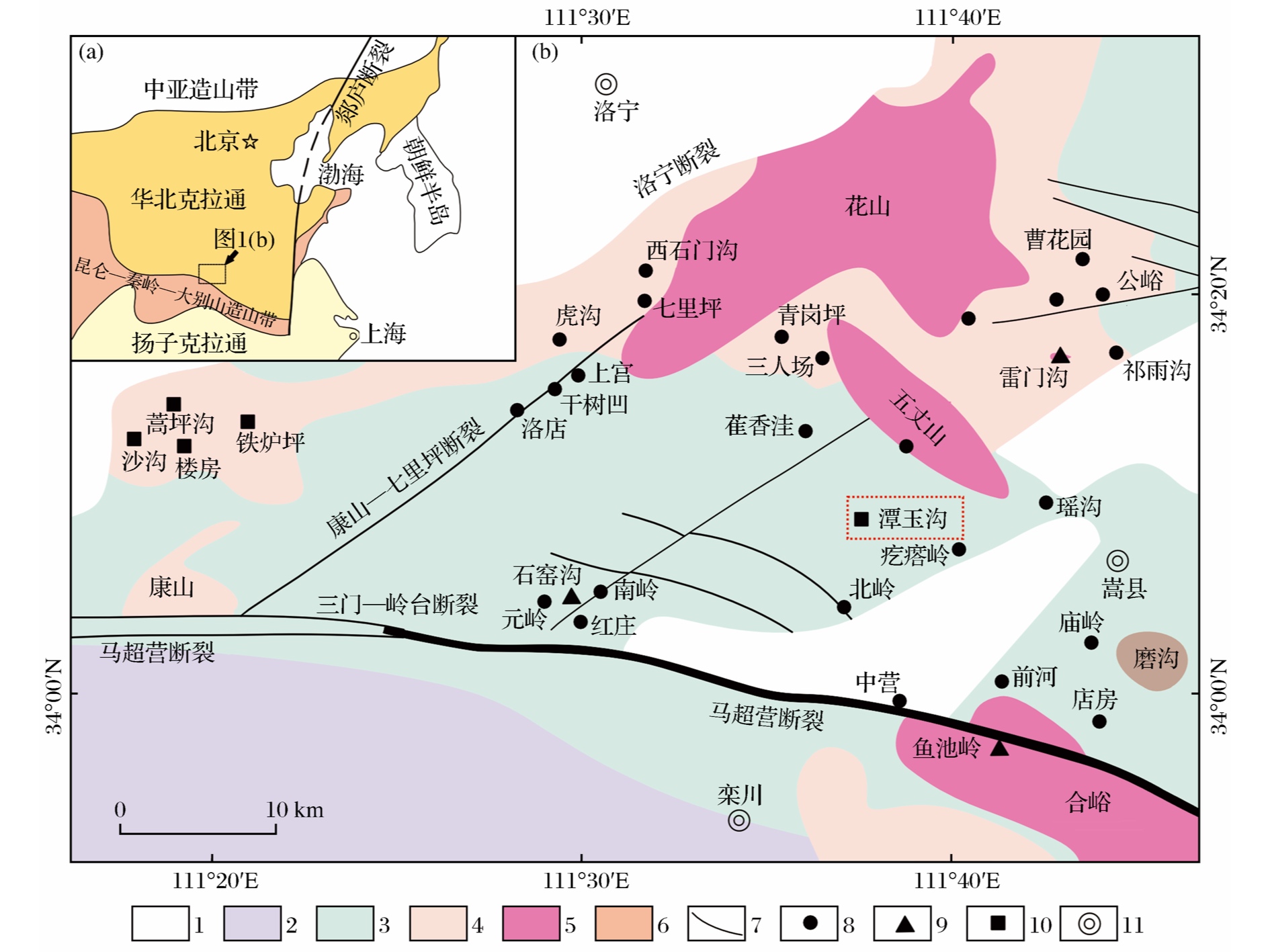
The Xiejiagou gold deposit is situated to the west of the Zhaoping fault zone within the Jiaoxibei region. It represents a prototypical example of an altered-rock-type gold deposit, predominantly influenced by a NNE-oriented ductile shear zone. The deposit exhibits a significant temporal and spatial association with Mesozoic magmatic events. A diverse array of dikes is extensively distributed throughout the mining area. This study seeks to elucidate the magmatic context as evidenced by these dikes and to investigate their genetic linkage to gold mineralization. We conducted comprehensive petrogeochemical analyses on various dike types, including pre-mineralization fine-grained granite and altered rock(initially diorite), as well as post-mineralization quartz diorite porphyry and granodiorite. The findings reveal a broad range in SiO2 content among these dikes, spanning from 56.70% to 76.07%. Collectively,these rocks are classified within the high-K calc-alkaline to shoshonite series. Their A/CNK ratios suggest that they are metaluminous to weakly peraluminous I-type granites. The samples are characterized by elevated K₂O/Na₂O ratios and an enrichment in large ion lithophile elements(LILE) such as Rb, Ba, and K, while exhibiting a depletion in high field strength elements(HFSE) like Nb and Ta. These geochemical signaturesare indicative of formation in an island-arc or active continental margin setting associated with subduction processes. The samples display high strontium(Sr) concentrations, ranging from 329×10-6 to 937×10-6. Their rare earth element(REE) patterns are right-inclined, demonstrating moderate differentiation between light and heavy rare earth elements(LREE/HREE), with ratios spanning from 3.36 to 7.87. The LaN/YbN ratios range from 6.92 to 27.64, and the absence of significant negative europium(Eu) anomalies, is reflected in δEu values between 0.77 and 1.38. Thesegeochemical characteristics suggest the presence of garnet as a residual phase in the magma source region and indicate substantial crust-mantle interaction. Furthermore, the post-mineralization dikes exhibit typical adakitic geochemical features, including high Sr,low Y and Yb,and elevated La/Yb ratios. Basic magmas, enriched in volatiles and ore-forming elements, are inferred to have been generated through partial melting of the mantle wedge. Acidic magmas wereproduced through the partial melting of the thickened lower crust. These two magma types subsequently mixed in varying proportions within the deep crust. This process of crust-mantle magma mixing is responsible for the formation of the two compositionally distinct dike groups observed in the mining region. The findings of this study enhance our comprehension of the metallogenic system associated with the Xiejiagou gold deposit and offer novel petrogeochemical indicators for gold exploration in the Jiaoxibei area.

The Zaoyuan gold deposit, situated in Suixian County, Hubei Province, within the eastern segment of the Tongbai-Dabie Metallogenic Belt, exemplifies a structurally altered rock-type gold deposit. As shallow resources become increasingly depleted, there is an urgent need for deep prospecting. However, the region is characterized by dense vegetation and a substantial overburden, which constrains the detection depth achievable by traditional geochemical methods. To address this challenge, this study adopts a “from the known to the unknown” research methodology and utilizes geoelectrochemical integrated technology to conduct prospecting prediction research for concealed gold deposits in the Zaoyuan mining area. Initially, a feasibility test was performed on the known Profile 4. The validation results reveal significant anomalies in geoelectrically extracted elements such as Au, Ag, Mo, and Bi directly above the ore body. Additionally, soil ionic conductivity and pyrolytic mercury display characteristic “rabbit-ear” shaped anomalies, which are highly consistent with the location of the deep ore body, thereby confirming the efficacy of this method in the area. Based on these findings, systematic measurements were conducted in the unexplored region along four survey lines arranged on a grid with 100 m×20 m spacing. Additionally, one geoelectric extraction survey line was positioned parallel to the F27 fault, comprising a total of 106 sampling points. Analysis of single-element anomalies reveals that gold (Au) demonstrates the highest degree of dispersion, identifying it as the most promising element in the region. The anomalies predominantly exhibit a northeast (NE) trend, which aligns with the strike of the F27 fault. Of particular interest is the Au-1 anomaly in the western section, which presents a peak concentration of 31.12 ng/g and displays a distinct three-zone concentration pattern. This anomaly shows a strong correlation with associated element anomalies, including silver (Ag), molybdenum (Mo), and bismuth (Bi). Furthermore, soil ionic conductivity and pyrolytic mercury anomalies also follow the NE trend, demonstrating high consistency with the elemental anomalies and structural zones. By integrating geological and geoelectrochemical characteristics, a comprehensive geological-geoelectrochemical prospecting model was developed for the area. This study presents a model that identifies the Sinian Shangjiadian Formation albite schist as the host horizon, with NW-trending and secondary faults serving as ore-controlling structures, and silicification and pyritization acting as alteration indicators. The geoelectrochemical criteria encompass anomalies in Au, Ag, and Hg, as well as distinctive “rabbit-ear” anomalies in soil ionic conductivity and pyrolytic mercury. Utilizing this model, three prospecting targets were delineated within the unexplored area: a Class Ⅰ target in the west, characterized by a comprehensive and high-intensity anomaly assemblage indicative of optimal metallogenic conditions; a Class Ⅱ target in the east, exhibiting clear signs of mineralization; and a Class Ⅲ target in the south, which presents preliminary indications of prospectivity. The geoelectrochemical integrated technology has demonstrated significant efficacy in detecting concealed gold deposits in regions with thick overburden. The prospecting model established through this research offers a technical framework for gold exploration in analogous areas. This investigation provides a scientific foundation for both deep and peripheral exploration in the Zaoyuan mining area, with a total of three prospecting targets identified, among which the Class Ⅰ target is particularly promising.
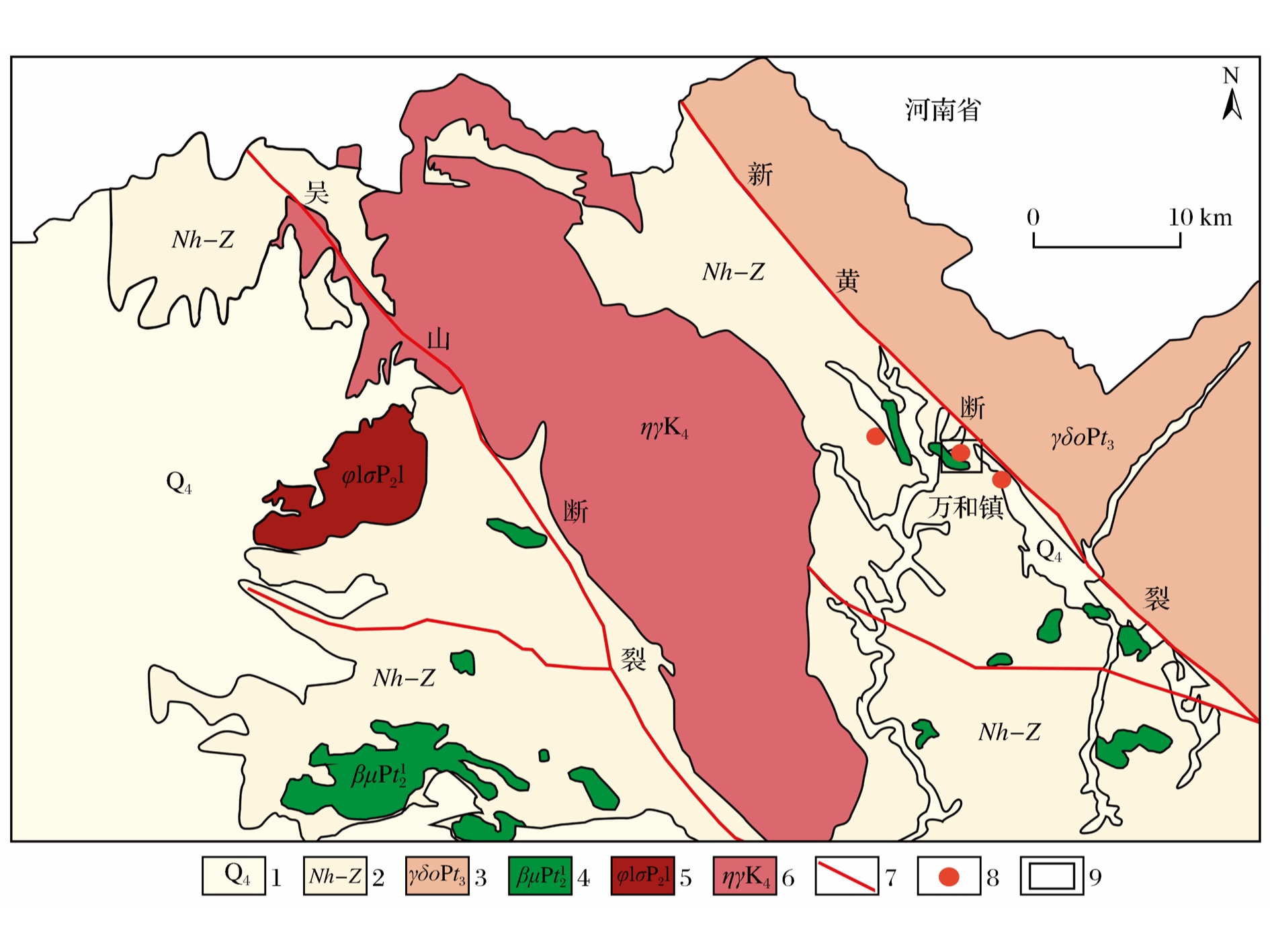
The differential alteration of pyrrhotite serves as a crucial indicator for elucidating the evolution of the physicochemical conditions of ore-forming fluids. To discern the internal(crystal structure) and external(physicochemical conditions) factors influencing its alteration behavior, this study focused on the Hongqiling Cu-Ni sulfide deposit (characterized by magmatic segregation with unaltered pyrrhotite) and the Erdaodianzi gold deposit(a mesothermal magmatic-hydrothermal type with significantly altered pyrrhotite) in Jilin Province. Employing a comprehensive suite of methodologies, including the magnetic colloid method, electron probe microanalysis(EPMA), scanning electron microscopy(SEM), and thermodynamic modeling, we conducted a comparative analysis of the alteration characteristics and controlling factors of pyrrhotite in these two deposits. The findings indicate that pyrrhotite in both deposits is predominantly monoclinic and exhibits similar major and trace elements compositions, thereby excluding differences in crystal structure as the primary factor governing the observed alteration divergence. Thermodynamic modeling indicates that temperature and sulfur fugacity( ) are the primary factors influencing alteration behavior. The Hongqiling deposit was formed under high-temperature (300~500 ℃) and high sulfur fugacity (lg ≈-21.2 to -13.9) conditions, which inhibited the transformation of pyrrhotite to pyrite/marcasite. Conversely, the Erdaodianzi deposit developed under medium to low temperature(210~350 ℃) and low sulfur fugacity(lg ≈-24.4 to -18.7) conditions, which facilitated the alteration of pyrrhotite. Additionally, multiple stages of hydrothermal overprinting and supergene oxidation in the Erdaodianzi deposit further intensified the alteration process. This study confirms that physicochemical conditions and post-ore modifications, rather than crystal structure, are the primary determinants of differential pyrrhotite alteration. Furthermore, this alteration process modifies the chemical properties of the hydrothermal fluid, thereby creating favorable conditions for the precipitation and enrichment of gold in the Erdaodianzi gold deposit.

The Shannan region in Xizang, situated within the eastern segment of the Tethyan Himalaya, is a significant area for the concentrated development of gold and antimony deposits in China. Over 60 gold and antimony deposits (occurrences) have been identified within the zone extending from Cuomei County to Longzi County. To enhance the identification of potential deposits (occurrences) and achieve breakthroughs in prospecting, machine learning methodologies can be employed to predict these potential deposits. This study focuses on the area covered by 15 standard 1∶50 000 geological survey sheets in Cuomei County and Longzi County, Shannan, Xizang. It integrates geological, geochemical, geophysical, topographical, and other relevant datasets to construct two XGBoost prediction models for gold and antimony deposits in the region, achieving model accuracies of 0.8807 and 0.9031, respectively. A dataset for predicting mineralization of gold and antimony deposits in the study area has been developed using machine learning techniques. This dataset facilitates the identification of prospective mineralization zones and prospecting targets for gold and antimony deposits. The findings demonstrate that the XGBoost model exhibits satisfactory performance in predicting the mineralization of gold and antimony deposits in Shannan, Xizang. Based on these predictive outcomes, 27 gold prospecting targets and 11 antimony prospecting targets have been identified. These research findings offer valuable insights for guiding gold and antimony prospecting efforts in this region.

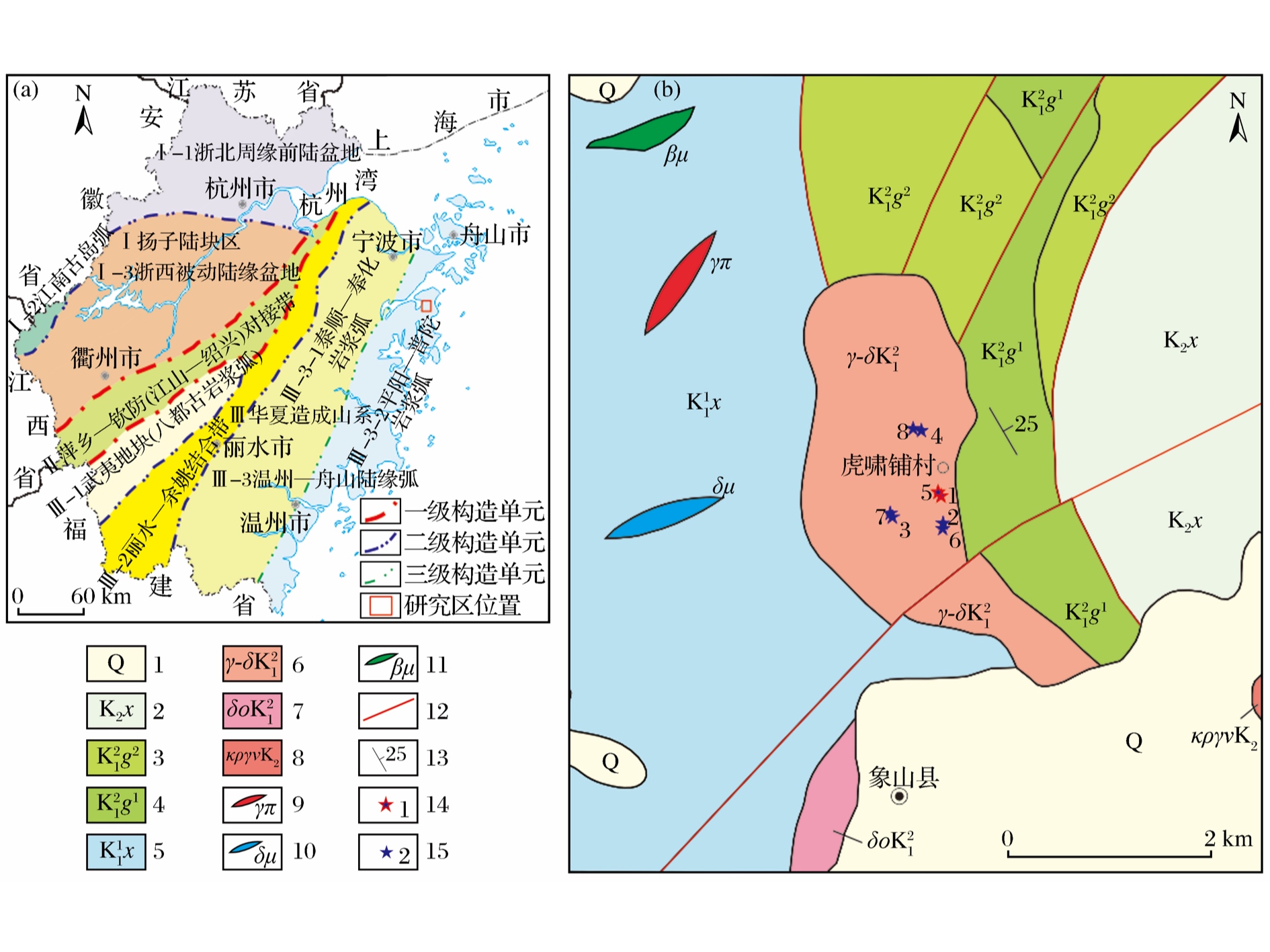
During the late Mesozoic era, the coastal regions of Zhejiang and Fujian experienced the effects of the Pacific Plate’s subduction retreat, leading to the emergence of a northeast -trending granite belt at the surface. This granite belt frequently contains dark-colored inclusions, which are hypothesized to result from magma mixing. In the Xiangshan area of eastern Zhejiang, the author identified a magmatic complex massif characterized by the intermingling and fusion of diorite and quartz diorite. In contrast to the previously observed dark-colored inclusions in acidic intrusive rocks along the eastern Zhejiang coast, this study focuses on these two rock types within the massif to seek direct evidence of magma mixing evolution, particularly mechanical mixing evidence. Through field investigations, we conducted detailed microscopic observations, comprehensive whole-rock geochemical analyses, and LA-ICP-MS zircon U-Pb dating of the Xiangshan adamellite-quartz diorite magmatic complex. The zircon U-Pb dating results reveal that both the diorite[(115.1±2.1)Ma] and quartz diorite[(117.6±1.7)Ma] were emplaced during the Late Cretaceous of the Late Yanshan period, indicating their formation occurred contemporaneously. Diorite is characterized by low aluminum content and high levels of potassium, calcium, and alkaline elements, with significant silicon, alkali, and potassium enrichment. It exhibits weak negative europium anomalies(average δEu of 0.61) and shows depletion in elements such as magnesium, calcium, phosphorus, titanium, and iron. Diorite also demonstrates a high degree of crystal differentiation and evolution. In contrast, quartz diorite is,marked by elevated aluminum and sodium content, along with high concentrations of iron, magnesium, and calcium. The degree of crystal differentiation in quartz diorite is relatively low, and its rare earth element characteristics are akin to those of diorite. Research findings suggest that the diorite and quartz diorite within the Xiangshan magmatic complex did not originate from the melting and subsequent crystallization of crustal and mantle materials. Instead, they were formed by the intrusion of acidic magma, which resulted from mantle-derived magma and induced partial melting of the crust. This process occurred within the context of crustal extension and tension during the late Cretaceous period, influenced by variations in density and temperature. The two distinct types of magma primarily formed through mechanical mixing. The test data and research findings presented in this article offer new support and evidence for the study of Late Mesozoic magma mixing and crust mantle interaction mechanisms in the coastal regions of Zhejiang and Fujian. The findings suggest that the rock mass was intruded during the Late Cretaceous of the Late Yanshan period, and the two lithologies likely formed concurrently with the granite in these coastal areas during the same magmatic event. The granite and diorite within the Xiangshan diorite-granite mixed rock mass are not merely products of the melting, separation, and crystallization of crustal and mantle materials. Instead, they result from the mixing of two distinct magmas. The Xiangshan magmatic complex is a product of the intrusion of mantle -derived magma and magma generated by partial melting of the crust, occurring under conditions of crustal extension and tension in the Late Early Cretaceous, where the two magmas were not fully homogenized. The newly identified evidence of mechanical mixing presented in this study offers a stronger indication of Mesozoic magmatic mechanical mixing in the coastal regions of eastern Zhejiang compared to the previously observed dark-colored inclusions in granitic formations. Furthermore, these findings contribute novel support and evidence to the investigation of Late Mesozoic magmatic mixing and crust-mantle interaction mechanisms in the coastal areas of Zhejiang-Fujian.
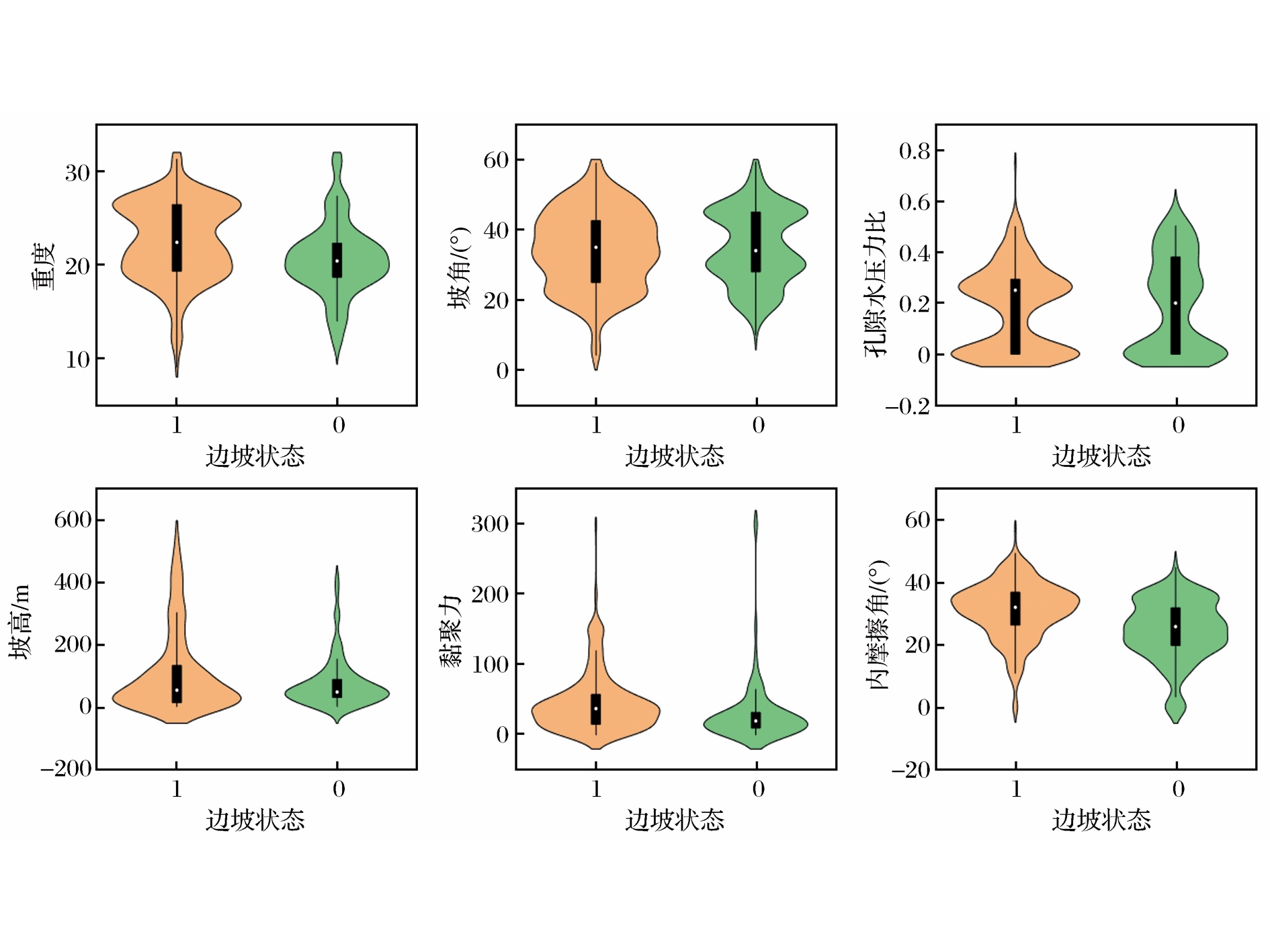
The prediction of slope stability is a vital aspect of ensuring safety in geotechnical engineering, as it significantly influences the reliability of infrastructure design and disaster mitigation strategies, particularly in mountainous areas. Traditional prediction methods, such as limit equilibrium approaches and numerical modeling, are often limited by their dependence on simplified assumptions and precise geological parameters, which are notoriously challenging to measure accurately in complex field conditions. Furthermore, these deterministic methods frequently fail to account for the highly nonlinear, heterogeneous, and stochastic nature of slope failure mechanisms. Although machine learning (ML) has emerged as a promising alternative, individual ML models often exhibit limited generalization capabilities, high variance, or bias when applied to diverse geological datasets, resulting in suboptimal predictive performance. To address these ongoing challenges, this study introduces a novel, robust data-driven framework: an Attention-Enhanced Multi-Model Fusion method based on an advanced Stacking ensemble architecture. The proposed system integrates three distinct and complementary base learners—Random Forest (RF), Support Vector Machine (SVM), and XGBoost—selected for their unique capabilities in managing high-dimensional, non-linear geotechnical data. To ensure optimal performance, the hyperparameters of each base learner are meticulously tuned using Bayesian optimization, which effectively navigates the complex parameter space to mitigate the risk of overfitting. The core innovation of this research resides in the development of the meta-learner, which incorporates an advanced dual attention mechanism. In contrast to traditional stacking ensembles that employ static or linear weighting schemes, our attention-based meta-learner dynamically allocates weights to both input features and the outputs of base models. This mechanism enables the model to autonomously identify and focus on critical geotechnical indicators, such as internal friction angle and cohesion, while adaptively prioritizing the most reliable base predictor for specific geological scenarios. Comprehensive experimental evaluations underscore the superior efficacy of the proposed Attention-Stacking framework. The model achieved an impressive accuracy of 0.8604, significantly surpassing standalone base models and traditional stacking methods. A detailed performance analysis reveals a precision of 0.9206, a recall of 0.8169, and an F1-score of 0.8657, indicating an exceptional balance between minimizing false positives and accurately identifying unstable slopes. Furthermore, feature importance analysis highlights the model’s enhanced interpretability; the attention mechanism effectively emphasizes key physical parameters that align with established geotechnical theories, thereby bridging the gap between black-box AI and engineering physics. By concurrently enhancing predictive accuracy, robustness, and transparency, this study presents a reliable, adaptive solution for slope stability assessment, offering substantial potential for advancing risk management protocols and decision-making processes in contemporary geotechnical engineering practices.
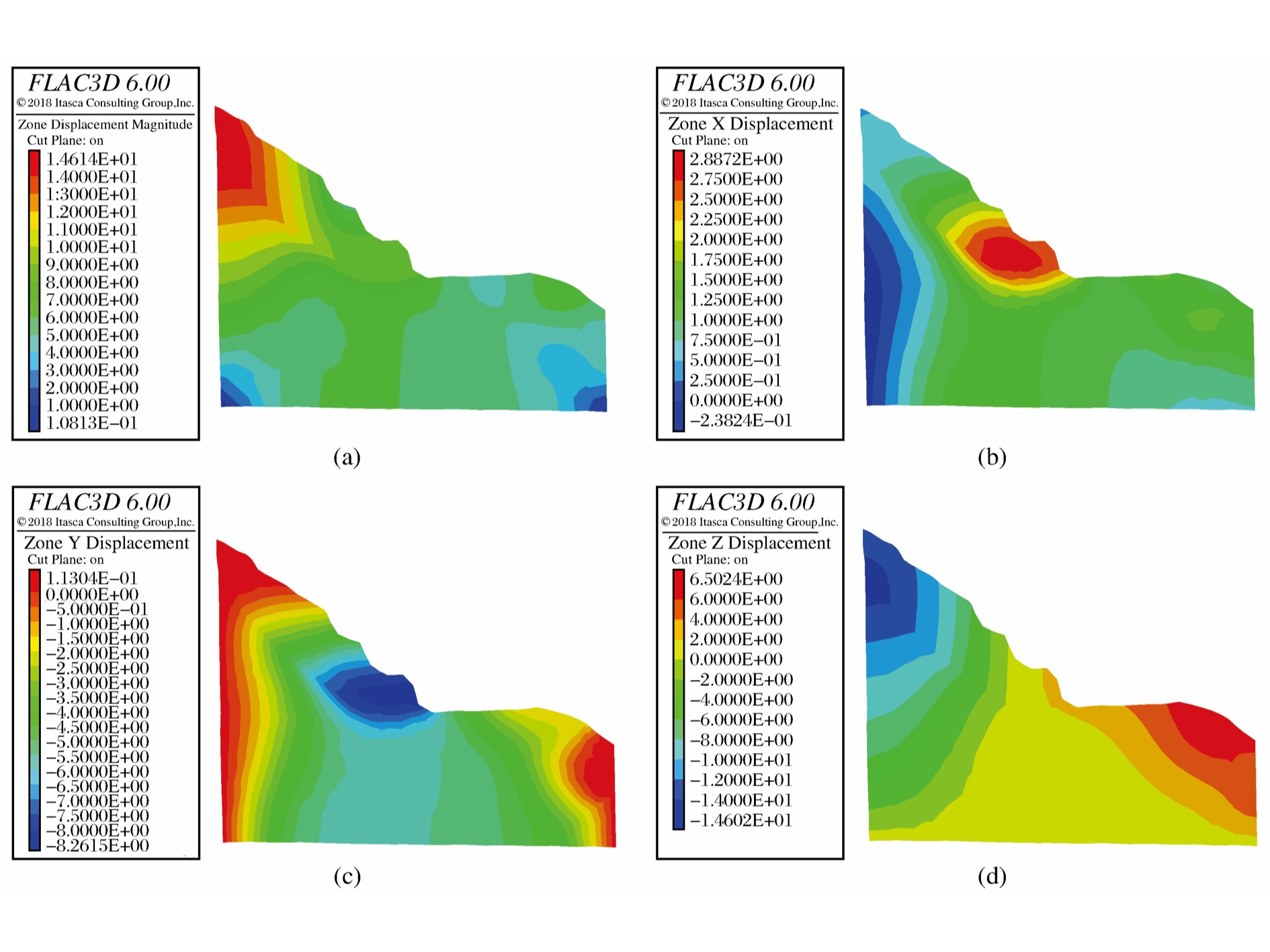
As the depth of open-pit mining operations continues to increase, the stability of high-steep rock slopes has become a more significant concern, revealing the limitations of traditional stability analysis methods, particularly under complex geological conditions. This study focuses on a high-steep rock slope at a specific open-pit mine and introduces a novel stability analysis approach that integrates point cloud data with Rhino-FLAC3D. Initially, close-range photogrammetry, facilitated by drones and enhanced by SIFT, SFM, and MVS technologies, is utilized to acquire and generate a dense point cloud representation of the slope. Subsequently, using the processed point cloud data, a three-dimensional geometric model of the slope is developed employing Rhino software. In conclusion, the model is integrated into FLAC3D for stratified processing and numerical simulation to examine the displacement distribution and stress concentration characteristics of the slope, identify potential zones of instability, and compute a safety factor of 1.041. This value suggests that the slope is nearing its stability threshold. A comparative analysis with conventional methods demonstrates a marked improvement in accuracy with the proposed approach. Based on the analytical results, specific slope protection and reinforcement strategies are recommended. The findings indicate that the proposed modeling methodology, which integrates point cloud data with Rhino-FLAC3D coupling, effectively captures the nuanced geometric features and discontinuities of the slope, thereby substantially enhancing the precision of the 3D slope model. As a result, more reliable numerical simulation outcomes are achieved, fulfilling the engineering requirements for the stability analysis of high-steep rock slopes.
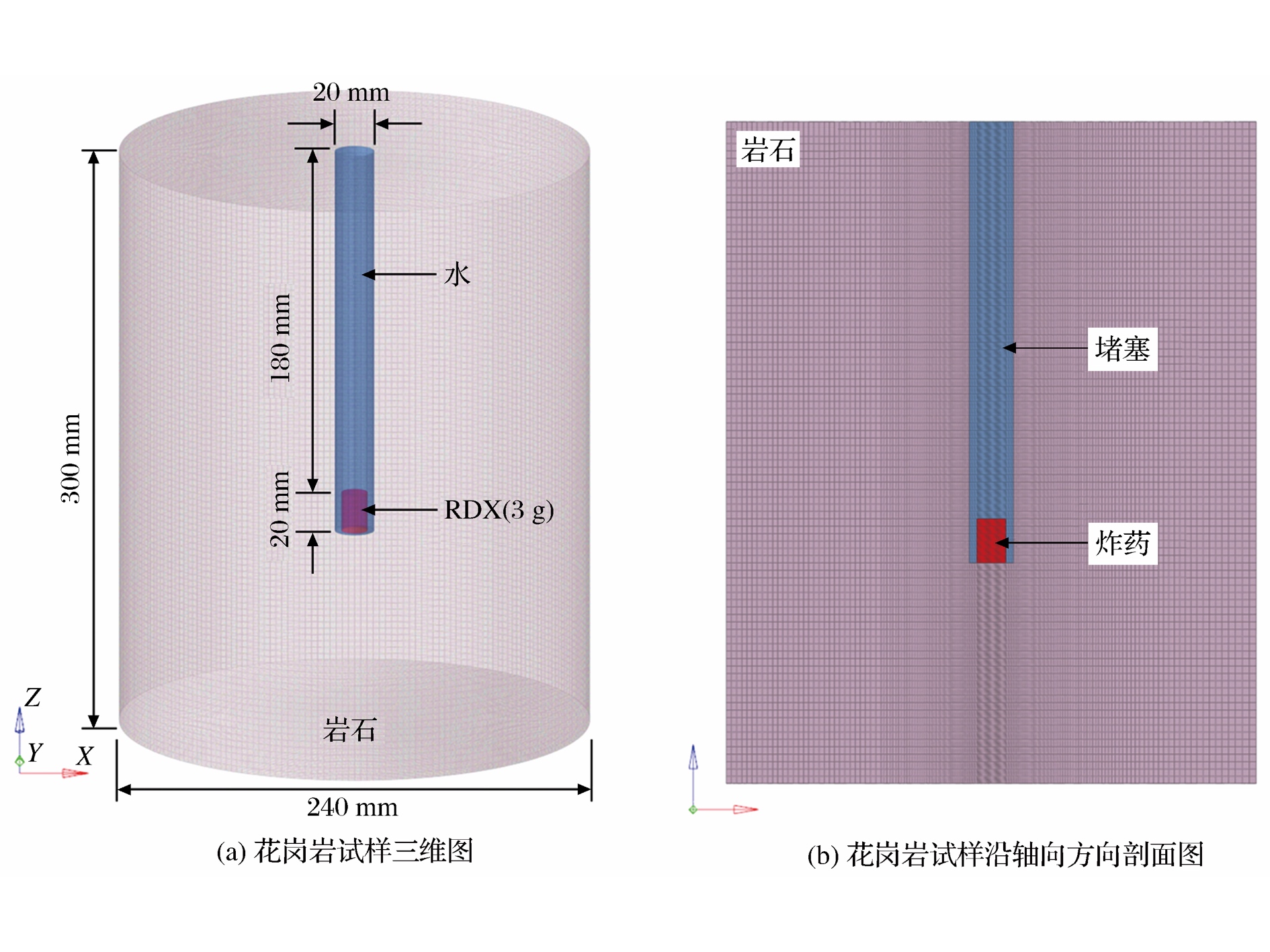
This study utilized a custom-developed experimental platform to perform thermal shock tests on granite specimens, with the objective of investigating the evolution of thermal shock triggering thresholds under varying heating temperatures and cooling methodologies. During rapid cooling, the spatiotemporal evolution of the internal non-uniform temperature field within the specimens was monitored. This monitoring facilitated the derivation of the distribution characteristics of the temperature gradient and cooling rate. By integrating synchronously acquired acoustic emission signals, the study elucidated the variation of the thermal shock triggering threshold—characterized by temperature gradient and cooling rate—in relation to heating temperature and cooling intensity. In this context, the “triggering threshold” is defined as the minimum thermal load level that initiations and sustains the propagation of detectable micro-cracks, as indicated by a marked increase in acoustic emission activity. The findings reveal that, during thermal shock, the peaks of the cooling rate and temperature gradient migrate from the outer layer toward the inner layer of the specimen and gradually attenuate over time. For specimens subjected to heating up to 800 ℃ and subsequently cooled in an ethylene glycol solution at ambient temperature, no significant thermal shock damage was detected when the heating temperature remained below 300 ℃. Within the temperature range of 400~800 ℃, the threshold for the temperature gradient necessary to induce thermal shock varied between 15.95 and 26.45 ℃/mm, while the threshold for the cooling rate ranged from 3.03 to 5.10 ℃/s. In experiments where specimens were heated to 600 ℃ and cooled in ethylene glycol solutions at temperatures spanning from ambient to -40 ℃, the temperature gradient threshold was observed to range from 19.24 to 25.49 ℃/mm, and the cooling rate threshold from 3.23 to 5.31 ℃/s. These thresholds exhibited an increase with elevated heating temperatures and reduced temperatures of the cooling medium. This study introduces an experimental framework designed to quantify the conditions that trigger thermal shock in rock, thereby providing a methodological reference for the precise characterization of the thermal shock phenomenon in geological materials. The results furnish a theoretical basis and technical support for both the mitigation and exploitation of thermal shock effects in rock engineering applications.

In engineering disciplines such as mining and tunnel excavation, the orientation and length of joints, along with variations in coupling media for explosive charging, substantially influence the propagation trajectory of blast-induced fractures in rock masses and the resultant damage distribution. This study utilizes the LS-DYNA finite element software to conduct specialized simulation research, aiming to precisely investigate the mechanisms by which these factors exert their influence. The research provides theoretical support for optimizing engineering blasting strategies. Initially, a two-dimensional numerical model of double-hole blasting in jointed rock masses is developed, detailing fundamental parameters such as model dimensions, mechanical properties of the rock mass, and borehole spacing. The study concentrates on analyzing the distribution characteristics of blast pressure and the changes in displacement vectors at 80 microseconds post-blasting in short-jointed rock masses with varying dip angles, specifically when shear-thickening fluid STFⅢ is employed as the coupling medium. Building upon this foundation, the study conducts a comparative analysis of the effects of three blasting schemes—fully coupled blasting, decoupled blasting with STFⅢ, and decoupled blasting with water as the coupling medium—on crack propagation in jointed rock masses. Utilizing LS-PrePost post-processing software, the study quantitatively evaluates blast-induced damage under varying explosive charging configurations, based on damage cloud diagrams of jointed rock mass blasting. By introducing the critical failure volume as a central evaluation metric and integrating stress variations with crack evolution patterns in the rock mass, the study delineates the blasting failure process of jointed rock masses into four distinct stages: crack initiation, crack development, crack coalescence, and rock mass failure. This approach systematically elucidates the evolutionary mechanism of blast-induced damage. The findings reveal that peak blast pressure increases with the joint dip angle, whereas peak blast displacement initially rises and subsequently declines as the joint dip angle increases. In comparison to joints with other dip angles, those with a 0° dip angle exert the least influence on blast-induced stress and displacement distribution, closely resembling the behavior of intact rock masses. When other conditions remain constant, both the damaged unit area and the critical volume fraction of the rock mass initially increase and subsequently decrease with an increasing dip angle, peaking at a dip angle of 60° and reaching a minimum at 0°. Rock masses with longer joints(0.630 m) experience more significant damage at joint dip angles of 30°, 60° and 90° compared to those with shorter joints(0.315 m). Among different coupling media, STFⅢ results in the most severe damage to the rock mass, demonstrating higher energy transfer efficiency compared to water-coupled and fully coupled blasting methods. These findings provide a theoretical basis for evaluating the stability of jointed rock masses in engineering blasting, optimizing blasting parameters, and designing borehole layouts. They also offer guidance for the on-site selection of efficient coupling media, such as STFⅢ, based on the characteristics of joint development, thereby enhancing blasting energy utilization and fragmentation effects, while ensuring the safety and economic efficiency of blasting operations.
In open-pit mining, the selection of deep-hole bench blasting parameters is a critical process that directly influences the uniformity of blasting fragmentation distribution and the morphology of the muckpile. This selection has a cascading effect on the operational efficiency, cost management and safety of subsequent processes such as loading transportation and crushing. Consequently accurately determining appropriate blasting parameters under complex geological conditions to achieve an optimal balance between blasting effectiveness and economic benefits has been a longstanding challenge for researchers and engineering professionals in the field. To address this fundamental issue, this paper introduces a method for predicting and optimizing deep-hole bench blasting parameters in open-pit mines. Utilizing an improved Dung Beetle Optimizer (NDBO) algorithm -enhanced Extreme Learning Machine (ELM), this approach offers a novel technical pathway for determining blasting parameters. The original DBO algorithm is enhanced by incorporating a dynamic inertia weight adjustment mechanism. Which balances the algorithm’s global exploration capability in the initial stages with its local exploitation capability in the later stages. In order to address convergence stagnation within the algorithm, a chaotic perturbation strategy is employed to perturb the population, thereby facilitating the algorithm’s escape from local optima. This approach markedly enhances the solution accuracy and stability of the algorithm, culminating in the development of the improved NDBO algorithm. During the model construction phase, the NDBO algorithm is integrated with the Extreme Learning Machine (ELM) to optimize the core parameters of the ELM model, leveraging the global optimization capabilities of the NDBO algorithm. Specifically, the NDBO algorithm optimizes the input layer weights. hidden layer thresholds, and output layer weights of the ELM enabling adaptive adjustment of model parameters and the construction of the NDBO-ELM blasting parameter prediction model. To evaluate the superiority of the proposed model, comparative experiments are conducted against traditional intelligent optimization models, including PSO-LSSVM (Particle Swarm Optimization-Least Squares Support Vector Machine) and PSO-ELM (Particle Swarm Optimization-Extreme Learning Machine). A quantitative analysis was conducted utilizing four key performance indicators: Root Mean Square Error (RMSE), Mean Absolute Error(MAE), Mean Absolute Percentage Error (MAPE) and the Coefficient of Determination (R²). The experimental findings indicate that the NDBO-ELM model demonstrates substantial advantages in predicting the three primary blasting parameters. Specifically, for hole spacing prediction, the MAE, RMSE, MAPE and R² values are 0.14, 0.18, 0.02 and 0.91, respectively. For row spacing prediction, these metrics are 0.14, 0.16, 0.03 and 0.94, and for specific charge prediction. they are 0.006, 0.007, 0.01 and 0.93. The low levels of error indicators and the coefficients of determination, which are consistently close to or exceed 0.9, suggest that the model possesses exceptionally high predictive accuracy and stability. It effectively captures the intricate nonlinear relationships between blasting parameters, geological conditions, and blasting outcomes. Building on the verified efficacy of the NDBO-ELM model, this study further develops an optimization system for deep-hole bench blasting parameters in open-pit mining operations. Anchored in the fundamental design principles of “data-driven, intelligent optimization, and closed-loop iteration” the system incorporates two essential functional modules: blasting data collection and intelligent parameter optimization. It establishes a comprehensive closed-loop management framework encompassing “data collection-model training-parameter recommendation-effect feedback.”

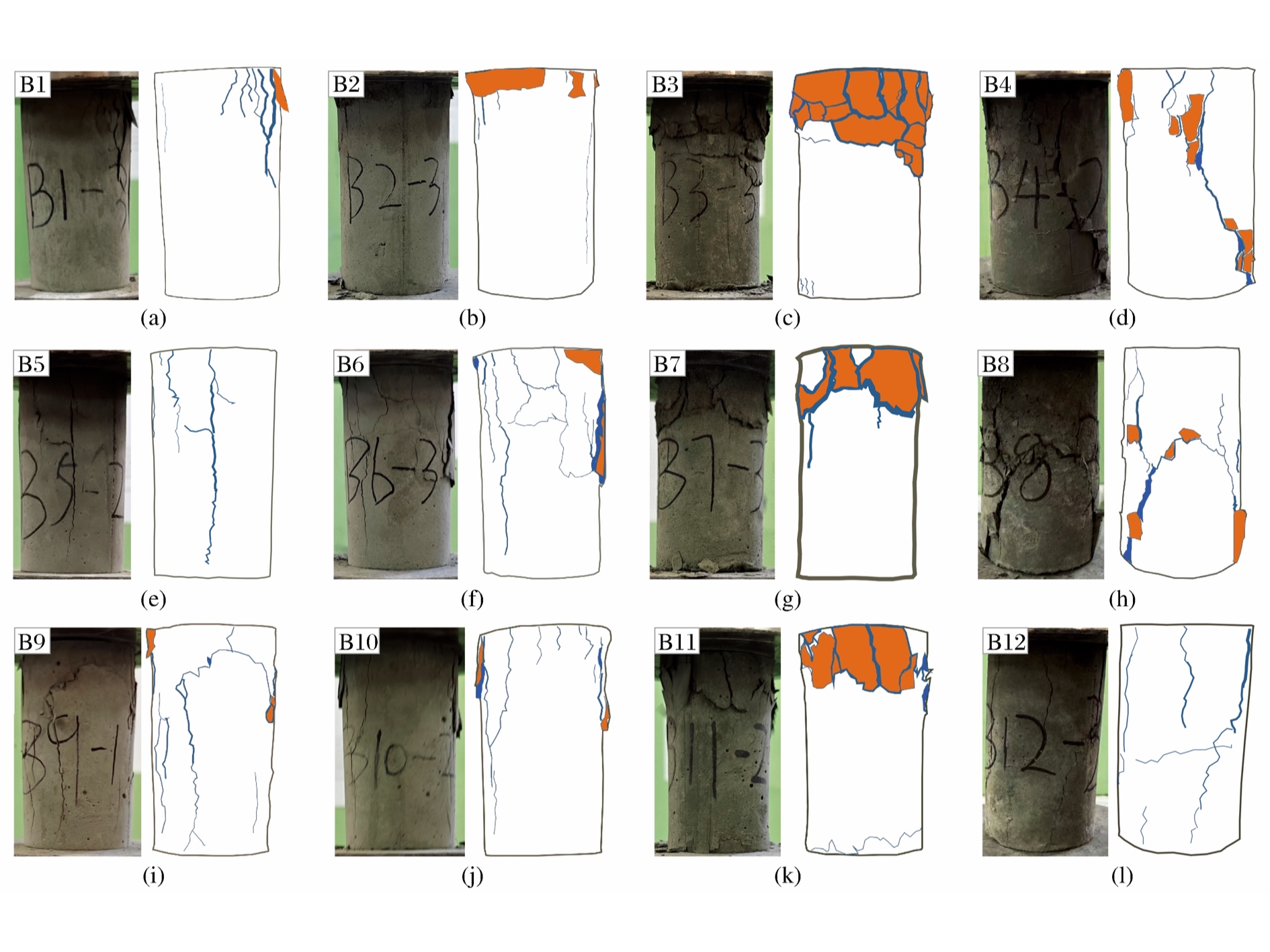
In response to the issue of the mechanical properties of high-sulfur tailings cemented filling materials deteriorating easily, this study developed a slag-based high-sulfur tailings cemented filling body using high-sulfur full tailings sourced from a specific metal mine, along with cement and blast furnace slag as raw materials. The study employed uniaxial compression tests to investigate the stress-strain response, energy evolution, failure mode, and intensity fitting relationship of the filling body. Additionally, scanning electron microscopy(SEM) was utilized to characterize its microstructural features. The research examined the effects of three variables cement sand ratios, slurry concentration, and curing age on the performance of the filling body. The findings indicate that when the cement sand ratio exceeds 1∶6, the compressive strength of the filling body improves with an increase in the cement sand ratio, slurry concentration, and curing age. Notably, the cement sand ratio exerts the most significant influence. When the cement sand ratio is ≤1∶6 and the curing period is extended from 28 to 60 days, a decline in strength is observed, attributable to the oxidative erosion of sulfur components. The peak strain diminishes with reductions in both the slag-to-sand ratio and slurry concentration. The failure mode of the filling material predominantly exhibits tensile failure. Energy analysis reveals that as the slag-to-sand ratio and slurry concentration decrease, there is a weakening in peak pre-energy storage capacity, and the proportion of dissipated energy during the failure phase increases. Through fitting analysis of the three factors and strength, the logarithmic model fitting demonstrates superior efficacy, with the sensitivity of strength to these factors ranked as follows: cement sand ratiocuring ageslurry concentration. Scanning Electron Microscopy(SEM) analysis indicates that the formation of calcium silicate hydrate(C-S-H) gel and ettringite(AFt) crystals enhances structural density. However, excessive precipitation of expansive hydration products under prolonged curing conditions induces microcrack expansion, leading to strength deterioration. The research results can provide a reference for the selection of ratio parameters of slag-based high-sulfur tailings cemented filling materials.
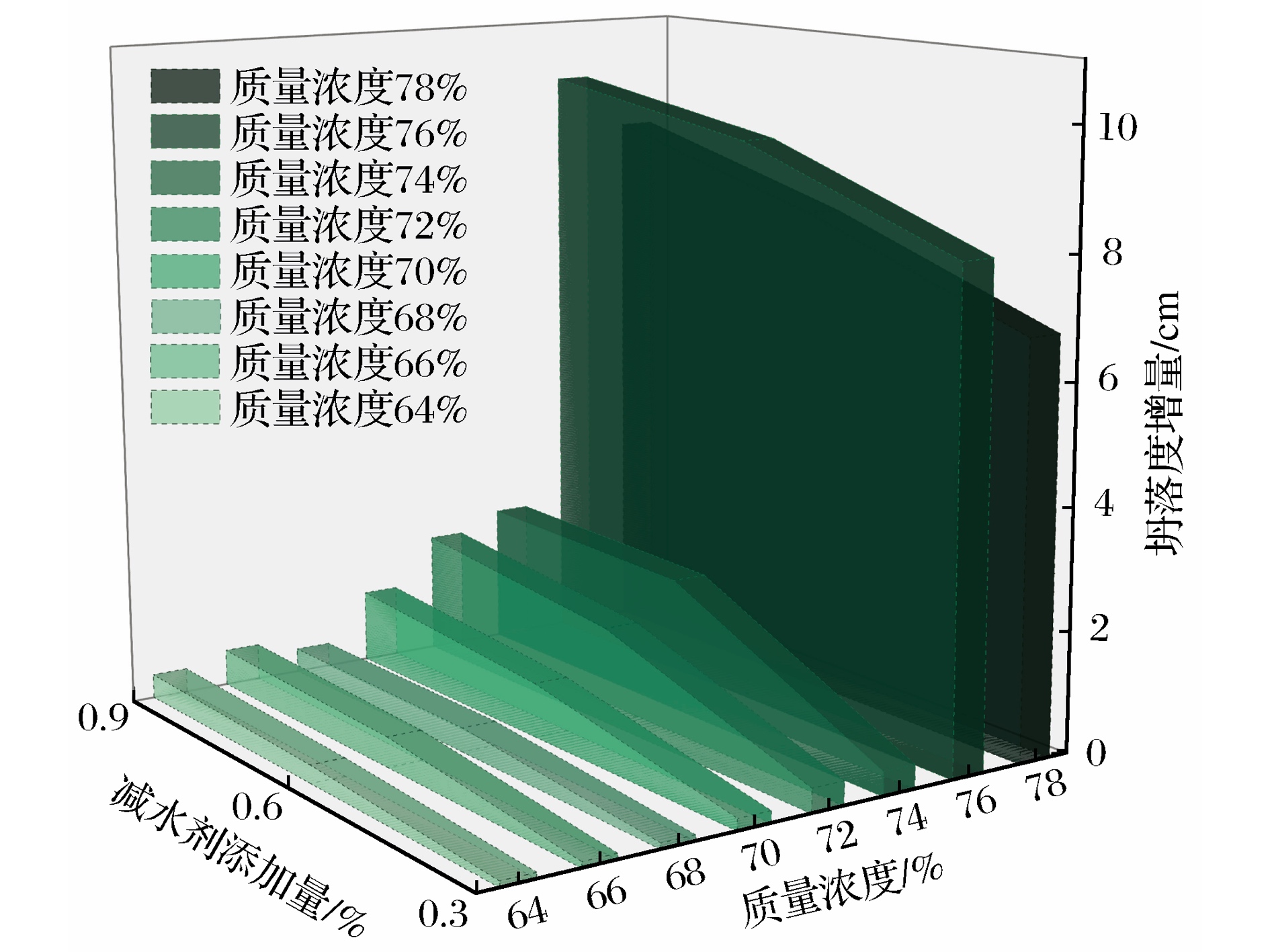
In order to enhance mineral recovery rates, the grinding fineness within the concentrator is progressively reduced, resulting in an increased production of ultrafine tailings, a phenomenon that has become prevalent. Nevertheless, high-concentration slurries of ultrafine tailings encounter challenges such as elevated viscosity, inadequate fluidity, and low critical concentration. The application of water-reducing agents can ameliorate slurry flow conditions, effectively diminishing the flow resistance of backfill slurry and facilitating pipeline transportation. This study, through particle size analysis of backfill materials and slump testing, confirmed that the tailings are classified as ultrafine. The optimal transportation concentration for backfill slurry was identified to be between 72% and 74%. When a water-reducing agent is incorporated at an ash-to-sand ratio of 1∶8, with an optimal dosage of 0.6%, it substantially improves the fluidity of the backfill slurry under economically favorable conditions. Experimental investigations into pipeline transportation using L-shaped pipelines demonstrated that the incorporation of a 0.6% water-reducing agent significantly decreased the yield stress and viscosity coefficient of a slurry with a 74% concentration, compared to the untreated control group. This reduction led to a decrease in transportation resistance by approximately 34.9%, thereby achieving the objective of increasing slurry concentration while maintaining its transportability. Numerical simulations corroborated these findings, indicating that, under gravity-driven self-flow conditions, the absence of water-reducing agents results in reduced and uneven flow velocities within the pipeline. Conversely, the addition of the agent enhanced the flow velocity of the 74% concentration slurry by approximately 54%, effectively mitigating stratification and diminishing the risk of pipeline blockage. Zeta potential analysis further elucidated the mechanisms of electrostatic repulsion and steric hindrance imparted by the water-reducing agent, which aligns with the previously established optimal dosage of 0.6%. The findings indicate that the incorporation of the agent results in a synergistic effect, enhancing the concentration of backfill slurry while simultaneously reducing transportation resistance. Overall, this method facilitates the annual utilization of approximately 135 000 tons of tailings, thereby significantly mitigating the pressure on tailings ponds. The optimized process involving the water-reducing agent leads to an annual cost reduction of approximately 2.45 million yuan when compared to the alternative of installing new diaphragm pumps. Engineering applications demonstrate that this optimized process enables the pumping of backfill slurry over a distance of 6.2 km in underground voids under identical pumping conditions, maintaining an outlet slurry flow velocity of 1.3 m/s, and minimizing the risks of stratification and blockage. These findings offer valuable insights into enhancing tailings utilization and regulating the transportation of high-concentration ultrafine tailings slurry.
Copper, as a strategic mineral resource, plays a crucial role in various critical sectors, including electrical energy, transportation, and advanced manufacturing. China stands as a significant consumer of copper resources, and the security of its industrial and supply chains is becoming increasingly critical. Consequently, it is imperative to assess the security of China’s copper resource industrial and supply chains and propose recommendations. This study, anchored in the structural characteristics of the copper industry and supply chains, adopts a comprehensive approach to identify influencing factors across three dimensions: resource acquisition security, resource circulation security, and resource transformation security. By doing so, it constructs a security evaluation index system. The study evaluates the security level of China’s copper resource industry and supply chains over the period from 2001 to 2023. Additionally, the obstacle degree model is employed to ascertain the constraint intensity of factors impeding security status, while the coupling coordination model is utilized to analyze the dynamics of coordinated development. The research findings can be summarized as follows: (1) The comprehensive index assessing the security of China’s copper resource industrial and supply chains from 2001 to 2023 initially exhibits a decline followed by fluctuations. While the overall development trend appears positive, the security situation remains critical. (2) The primary factor influencing the security of the copper resource industrial and supply chains is resource acquisition security. Key obstacles include the degree of dependence on foreign sources, import concentration, recycling rate, price volatility, and the comprehensive energy consumption associated with copper smelting. (3) The coupling coordination degree among the three primary indicators demonstrates a fluctuating downward trend, indicating a low overall level of coordination. In certain years, the degree of coordination has markedly declined due to significant fluctuations in copper prices and an increased concentration of imports. Based on the findings of this study, it is recommended to enhance resource acquisition capabilities and diversify channels for resource procurement; optimize the resource circulation network to bolster trade autonomy and resilience against shocks; improve resource recycling and utilization processes to enhance transformation capacity; and mitigate the constraints imposed by obstructive factors while promoting multi-dimensional integration and coordinated development. These measures aim to strengthen the security of China’s copper resource industrial and supply chains. The conclusions of this research offer valuable insights and guidance for the government in ensuring the secure development of the copper resource industrial and supply chains.
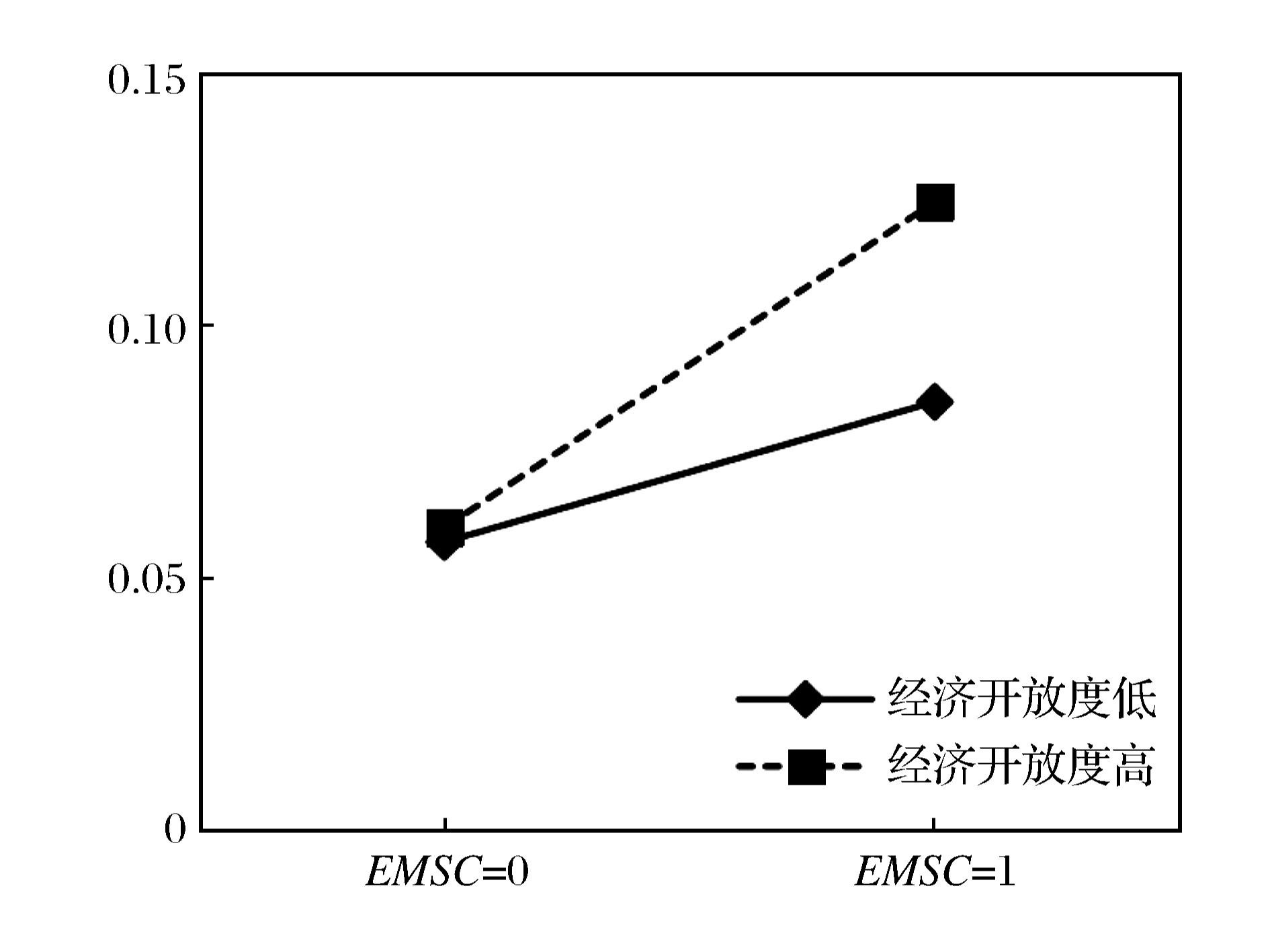
With the intensification of global green trade barriers, environmental management system certification(EMSC), as a voluntary environmental practice(VEP), has emerged as a pivotal strategy for enterprises to navigate international market access restrictions. However, existing research predominantly concentrates on the manufacturing sector, with limited exploration of the certification effects within high-pollution industries and the moderating influence of institutional environments. Drawing on the resource-based view(RBV), this study synthesizes data from Chinese A-share listed mining companies from 2008 to 2023, alongside customs trade statistics, to conduct a comprehensive analysis of the impact of ISO 14001 certification on the export performance of mining enterprises and its boundary conditions. The findings indicate that: (1)Certification significantly enhances the export performance of mining enterprises by improving full-cycle cost control and increasing the green brand premium. (2)The institutional environment serves as a crucial moderating factor. Specifically, a one standard deviation increases in economic openness enhances the export-promoting effect of certification by 3.8%. In regions characterized by higher levels of marketization, the export elasticity of certified enterprises rises by 0.013.(3)Heterogeneity analysis indicates that certification exerts a more pronounced positive impact on the exports of non-state-owned enterprises, firms with lower equity concentration, and mining and extraction enterprises facing higher environmental risks. By employing instrumental variable methods and dynamic GMM models, the study effectively addresses endogeneity issues, thereby ensuring the robustness of the research findings. This study contributes to the theoretical framework of the Resource-Based View(RBV) within an institutional context and provides micro-level evidence to guide the optimization of green trade policies.



 Online Submission
 Peer Review
 Office Work
 Editor-in-Chief

 甘公网安备 62010202000672号